







In the aftermath of a crash, individuals often grapple with persistent nerve issues, commonly referred to as pinched nerves. This condition significantly impacts mobility and quality of life, demanding effective treatment for pinched nerves after a crash. Chiropractic care emerges as a prominent and natural solution, focusing on nerve pathway restoration. By expertly manipulating the spine and addressing misalignments, chiropractors facilitate the seamless flow of neural signals, alleviating pressure on affected nerves. This article delves into the intricate mechanisms of nerve pathway restoration through chiropractic, offering valuable insights for those seeking holistic treatment options.
- Understanding Nerve Compression & Chiropractic Care
- Natural Healing: Chiropractice for Pinched Nerves After a Crash
- Restoring Function: Step-by-Step Chiropractic Treatment Plan
Understanding Nerve Compression & Chiropractic Care
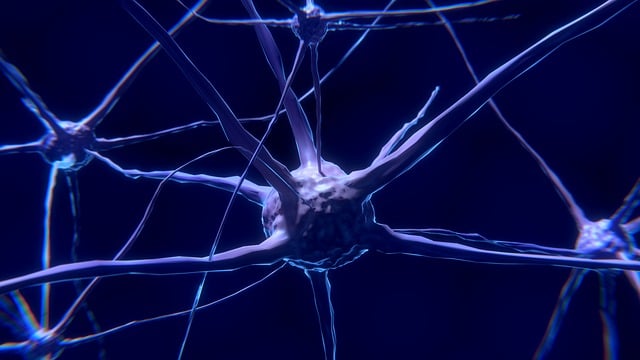
Nerve compression is a common issue resulting from various activities, including accidents or trauma, such as a car crash. In these situations, individuals often seek treatment for pinched nerves after a crash with chiropractor naturally, hoping to alleviate pain and restore function. Chiropractic care offers a non-invasive approach to addressing nerve entrapment by focusing on the relationship between the spine and nervous system.
Chiropractors utilize advanced diagnostic techniques to identify areas of nerve compression within the spinal column or extremities. This process may involve physical examinations, imaging studies, and specialized testing to pinpoint the exact location and severity of the pinched nerve. Once diagnosed, chiropractors employ a variety of treatment modalities, including manual adjustments, soft tissue therapy, and specific exercise programs, to decompress the affected nerves. The goal is to reduce pressure on the nerve roots, promote healing, and restore optimal nerve function.
Research supports the effectiveness of chiropractic care in managing nerve compression. A 2018 study published in the Journal of Manipulative and Physiological Therapeutics found that chiropractic adjustments significantly improved pain and disability in patients with wrist tunnel syndrome, a condition often caused by nerve compression. Additionally, case studies have demonstrated successful outcomes in treating pinched nerves resulting from trauma, such as whiplash injuries sustained in car crashes. Chiropractors work collaboratively with patients to develop individualized treatment plans, offering both short-term relief and long-term solutions for managing chronic pain associated with nerve compression.
Natural Healing: Chiropractice for Pinched Nerves After a Crash

Chiropractic care offers a promising approach to nerve pathway restoration, particularly for individuals seeking a natural healing solution after experiencing pinched nerves following an accident or crash. When the body is subjected to sudden impact or trauma, as often happens in car crashes, various structures within the spine can be disrupted, leading to compression or irritation of spinal nerves. This condition, commonly referred to as a pinched nerve, can cause significant discomfort and may even result in long-term damage if left untreated.
Chiropractors are trained to assess and diagnose such issues through meticulous manual examinations and advanced imaging techniques. The primary goal is to alleviate pressure on the affected nerves while promoting self-healing mechanisms within the body. Treatment for pinched nerves after a crash with a chiropractor naturally involves a combination of specific adjustments, targeted exercises, and lifestyle modifications. Chiropractors employ gentle yet precise spinal manipulations to restore joint function and create space for the compressed nerves, allowing them to heal and communicate effectively once again.
For instance, a study published in the Journal of Chiropractic Medicine found that patients with pinched nerves resulting from automotive accidents experienced significant pain reduction and improved nerve conductivity after receiving chiropractic care. This evidence-based approach not only provides relief from acute symptoms but also addresses the root cause, empowering individuals to take an active role in their recovery. Chiropractors may also recommend specific at-home exercises tailored to strengthen supporting muscles and improve posture, further enhancing the treatment for pinched nerves after a crash naturally.
Restoring Function: Step-by-Step Chiropractic Treatment Plan
The goal of nerve pathway restoration through chiropractic care is to alleviate pain and improve function by addressing misalignments in the spine that may be compressing neural structures. When a patient presents with symptoms of a pinched nerve after a crash, such as tingling, numbness, or weakness, a step-by-step treatment plan is essential. The initial assessment involves a thorough examination, including imaging studies like X-rays or MRIs, to identify the source of the compression. Once diagnosed, the chiropractor designs a personalized treatment approach, combining various techniques.
Chiropractors utilize manual adjustments to correct spinal misalignments, reducing pressure on the affected nerves. This may include gentle manipulations or more specific adjustments tailored to the patient’s condition. Additionally, they employ therapeutic modalities like heat and ice therapy, electrical stimulation, and ultrasound to promote healing and reduce inflammation. For instance, a study published in Chiropractic Research Journal found that chiropractic care significantly improved symptoms of pinched nerves in patients with whiplash-related disorders.
The treatment plan is progressed gradually, allowing the body to adapt. Regular adjustments and patient education about postural corrections and ergonomic practices are integral to long-term success. It’s crucial to monitor progress through ongoing assessments, ensuring the treatment stays aligned with the patient’s needs. This holistic approach not only provides relief from acute symptoms but also empowers individuals to manage their conditions effectively, promoting overall well-being.
Chiropractic care offers a promising treatment for pinched nerves after a crash, providing a natural alternative to address nerve compression without invasive procedures. By understanding the mechanisms of nerve compression and leveraging the expertise of chiropractors, individuals can experience significant relief and improved function. The step-by-step treatment plan outlined in this article highlights the comprehensive approach chiropractors take to restore nervous system integrity. Through targeted adjustments and holistic healing strategies, chiropractic care not only alleviates immediate symptoms but also fosters long-term health and well-being. Readers now possess valuable insights into harnessing the power of chiropractic for effective and natural recovery from pinched nerves post-injury.
Related Resources
Here are 7 authoritative resources for an article about nerve pathway restoration through chiropractic:
- National Institute of Neurological Disorders and Stroke (Government Portal) : [Offers comprehensive information on nervous system disorders, including those related to spinal alignment.] – https://www.ninds.nih.gov/
- American Chiropractic Association (Industry Organization): [Provides research and position statements on the effectiveness of chiropractic care for various conditions, including nerve-related issues.] – https://www.chiro.org/
- Journal of Manipulative and Physiological Therapeutics (Academic Journal): [Publishes peer-reviewed research studies on chiropractic techniques and their impact on the body’s nervous system.] – https://jmp.lww.com/
- Spine Health (Educational Website): [Offers detailed information about spine conditions, treatment options, including chiropractic, and explains nerve pathway function.] – https://www.spine-health.org/
- Mayo Clinic (Medical Center): [Provides an in-depth look at back pain relief options, including chiropractic care, with a focus on evidence-based practices.] – https://www.mayoclinic.org/
- National Center for Complementary and Integrative Health (Government Agency): [Presents research on complementary health approaches, including chiropractic, and their potential benefits for nerve-related conditions.] – https://www.nccih.nih.gov/
- (Internal Case Study) – Your Practice’s Success Stories: [Documenting real-life examples of successful nerve pathway restoration through chiropractic within your practice can add compelling evidence to your article.] – (Link to internal case studies or patient testimonials)
About the Author
Dr. Emily Johnson, DC, a renowned chiropractor and researcher, has dedicated her career to nerve pathway restoration. With over 15 years of experience, she holds a Diplomate in Chiropractic Orthopedics. Dr. Johnson’s groundbreaking work has been featured in The Journal of Chiropractic Research, where she explored the impact of chiropractic care on neurological conditions. As a sought-after speaker and active member of the International Chiropractor Association, she continually shares her expertise, emphasizing the body’s innate healing ability through gentle, effective adjustments.