






Recognizing pinched nerve symptoms early after a car accident is crucial for effective treatment for pinched nerves after a crash with chiropractor naturally. Chiropractors diagnose through history review, physical exam, imaging, and posture analysis, then provide natural treatment like spinal manipulation, physical therapy, and lifestyle modifications to relieve nerve pressure and promote healing. This holistic approach avoids over-reliance on painkillers and empowers patients in their recovery journey.
Identifying pinched nerve symptoms post-accident is crucial for effective treatment and recovery. Motor vehicle crashes can lead to a variety of injuries, including pinched nerves, which often go unnoticed initially but can cause persistent pain and discomfort if left untreated. This article provides an in-depth exploration of common pinched nerve symptoms and offers insights into the role of chiropractic care as a natural treatment for pinched nerves after a crash. By understanding these issues, individuals can actively participate in their recovery process and make informed decisions regarding their health.
- Recognize Common Nerve Compression Signs After an Accident
- Diagnosing Pinched Nerves: What Your Chiropractor Will Look For
- Natural Treatment Options for Relief Following a Crash with Chiropractor
Recognize Common Nerve Compression Signs After an Accident
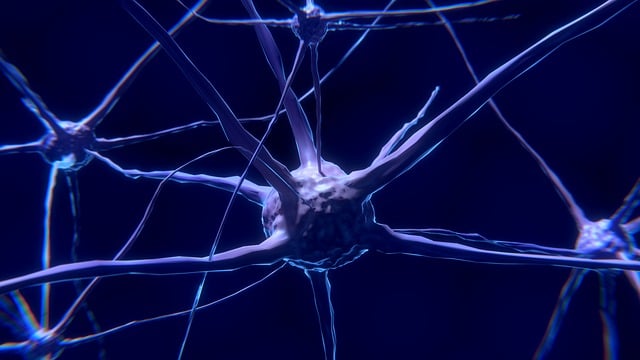
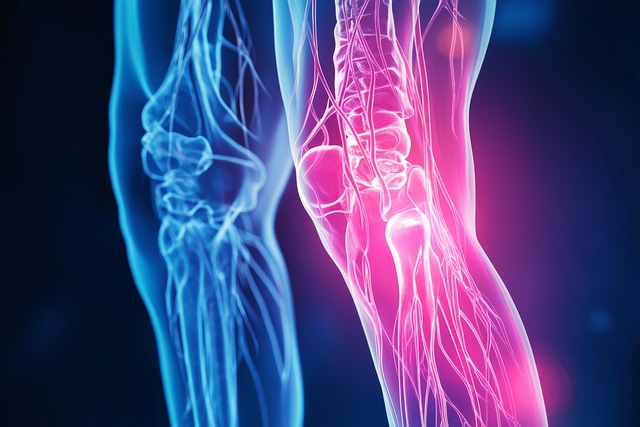
After a car accident, identifying pinched nerve symptoms early is crucial for effective treatment. Nerve compression from whiplash or impact can cause a range of discomfort, from localized pain to radiating sensations. Common signs include numbness or tingling in the arms, hands, legs, or feet, along with muscle weakness and spasms. For instance, a pinched nerve in the neck might lead to arm pain, while a compressed nerve in the lower back could result in leg numbness.
Chiropractors play a vital role in diagnosing and providing natural treatment for pinched nerves after a crash. They employ techniques such as spinal manipulation and soft tissue therapy to alleviate pressure on the affected nerves. Early intervention is key; a study by the Journal of Manipulative and Physiological Therapeutics found that chiropractic care significantly improved outcomes for patients with whiplash-related nerve compression. Chiropractors also offer guidance on postural adjustments, exercises, and ergonomic modifications to prevent future nerve compression.
In addition to professional treatment, patients can take proactive steps. Applying ice or heat packs, practicing gentle stretching, and over-the-counter pain relievers may provide temporary relief. However, for persistent symptoms, consulting a chiropractor is essential for accurate diagnosis and tailored treatment plans that address the underlying cause of nerve compression. Early recognition and appropriate care are vital to ensure complete recovery from pinched nerves post-accident.
Diagnosing Pinched Nerves: What Your Chiropractor Will Look For

When assessing pinched nerve symptoms post-accident, a chiropractor will employ a multi-faceted approach to diagnose the root cause. They’ll begin with a thorough review of your medical history and a detailed description of the incident itself. This includes understanding the nature of the crash, the specific body parts involved, and any immediate symptoms experienced. The chiropractor will then conduct a comprehensive physical examination, focusing on your posture, range of motion, and muscle strength.
During this process, they’ll look for specific signs such as tenderness or pain upon palpation, reduced sensation or tingling in affected areas, and weakened muscular response. In some cases, the chiropractor might use diagnostic imaging like X-rays or MRIs to rule out other conditions and confirm the presence of a pinched nerve. For instance, an MRI can provide detailed images of soft tissues, helping to identify nerve compression or damage that may not be apparent through physical examination alone.
One key aspect of their evaluation is observing your posture and movement patterns. A chiropractor will assess how you hold yourself, looking for imbalances or asymmetries that could indicate nerve irritation. They might also ask you to perform specific movements or exercises to gauge your range of motion and identify activities that aggravate symptoms. For example, if you’ve experienced a pinched nerve in the lower back after a car accident, the chiropractor may have you walk on your toes and heels to observe your gait and spot any abnormalities.
Upon diagnosis of a pinched nerve, the treatment for pinched nerves after a crash with chiropractor naturally involves a combination of adjustments, physical therapy, and lifestyle modifications. Adjustments aim to realign the spine and relieve pressure on the affected nerve roots, while exercises can help strengthen supporting muscles and improve flexibility. Chiropractors may also recommend heat or ice therapy, along with ergonomic adjustments to prevent future incidents.
Natural Treatment Options for Relief Following a Crash with Chiropractor

After a motor vehicle accident, identifying pinched nerve symptoms is crucial for proper care and recovery. Pinched nerves, also known as compressed or entrapped nerves, can result from various traumas, including car crashes. Chiropractors are experts in diagnosing and treating such injuries naturally, offering effective treatment for pinched nerves after a crash with chiropractor methods that avoid pharmaceuticals or invasive procedures.
Chiropractic care focuses on the body’s natural ability to heal itself. Following a crash, a chiropractor will begin by assessing the patient’s range of motion, muscle strength, and reflexes. They may use specialized techniques such as spinal manipulation, joint mobilization, and soft tissue therapy to alleviate pressure on affected nerves. For example, a study published in the Journal of Manipulative and Physiological Therapeutics found that chiropractic care significantly improved symptoms in patients with whiplash-associated disorders following auto accidents.
Natural treatment options for pinched nerves after a crash include exercise programs designed to strengthen muscles and improve flexibility around the affected area. Techniques such as stretching, bracing, and heat or ice therapy can also provide relief. Chiropractors may recommend specific exercises tailored to the patient’s condition, such as gentle neck stretches or back extensions, to promote healing without causing further strain. Additionally, using heating pads or ice packs can reduce inflammation and numb pain, offering temporary but effective symptom management until the nerve heals.
While over-the-counter painkillers might offer quick relief, they do not address the underlying cause of pinched nerves. Chiropractic care provides a holistic approach that targets both the symptoms and the source of discomfort. By combining manual therapy with targeted exercises and lifestyle modifications, chiropractors can help patients achieve long-term recovery from pinched nerve injuries sustained in accidents. This natural treatment approach not only reduces dependence on medications but also empowers individuals to take an active role in their healing process.
After an accident, recognizing pinched nerve symptoms is crucial for effective treatment. This article has outlined key signs to watch for, emphasizing the importance of early diagnosis. Chiropractors play a vital role in diagnosing pinched nerves through meticulous examination, leveraging their expertise to identify compression and compressive neuropathies. Moreover, natural treatment options for relief following a crash have been explored, including chiropractic adjustments, massage therapy, and physical rehabilitation. By combining these approaches, individuals can find holistic relief from pain and restore function naturally. The article underscores the value of proactive care, encouraging readers to seek professional guidance promptly for comprehensive and effective treatment for pinched nerves after a crash with chiropractor naturally.