




Prompt recognition of pinched nerve symptoms after an accident is crucial for effective treatment for pinched nerves after a crash with chiropractor. Chiropractors diagnose and treat conditions through non-invasive methods like spinal manipulation, showing positive outcomes in pain alleviation and improved nerve function. Early evaluation prevents long-term damage, with personalized treatment plans including adjustments, exercises, and other modalities. Chiropractic care, physical therapy, massage, dietary changes offer natural treatment options for post-accident recovery. Research supports chiropractic care's effectiveness, with studies demonstrating significant pain reduction and increased mobility compared to traditional medical interventions.
Identifying and treating pinched nerve symptoms post-accident is a critical aspect of comprehensive care for victims. Motor vehicle crashes can lead to a variety of injuries, including those affecting peripheral nerves. Recognizing the signs—like tingling, numbness, or sharp pain—is essential for prompt intervention. While medical treatments exist, many find natural solutions, such as chiropractor care, effective in alleviating symptoms and promoting healing without invasive procedures. This article delves into the intricacies of pinched nerve injuries following accidents, offering valuable insights into their diagnosis and a holistic treatment approach, including the role of chiropractic adjustments for optimal recovery.
- Recognize Pinched Nerve Symptoms After an Accident
- Understand Natural Treatment Options for Nerve Compression
- Chiropractor Care: Effective Relief for Post-Crash Pain
Recognize Pinched Nerve Symptoms After an Accident
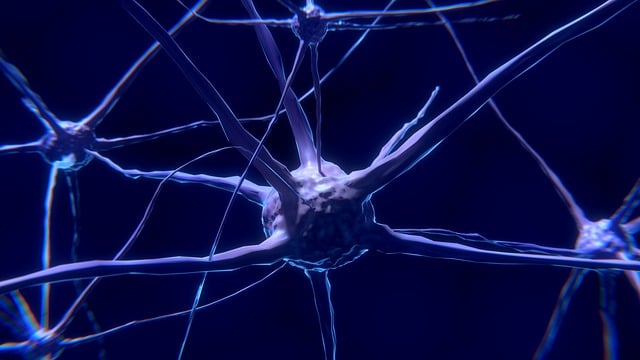
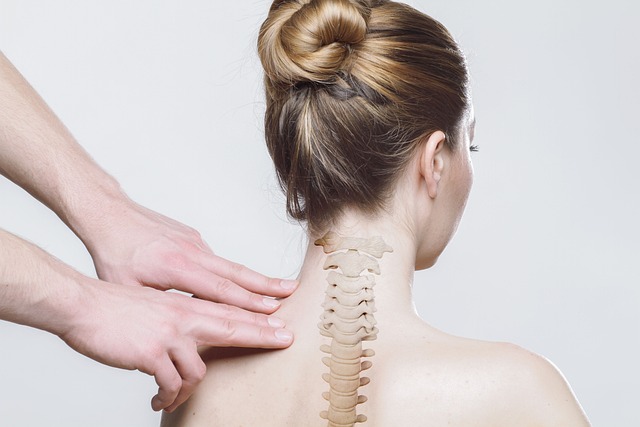
Recognizing pinched nerve symptoms after an accident is a crucial step in ensuring proper and timely treatment. A car crash or other traumatic event can cause various injuries, including compression or irritation of nerves. These pinched nerves may lead to a range of discomfort and functional impairments. Common symptoms include sharp pain, numbness, tingling, and weakness in the affected area, often radiating to nearby limbs or body parts. For instance, a whiplash injury from a rear-end collision can pinch nerves in the neck, resulting in arm numbing and pain that may extend all the way down to the hand.
Chiropractors play a vital role in diagnosing and providing treatment for pinched nerves after a crash. They employ specialized techniques, including spinal manipulation and adjustment, to relieve pressure on compressed nerves and restore their function. Naturally, a chiropractor’s approach focuses on non-invasive methods and promotes the body’s inherent ability to heal itself. This treatment modality has shown promising results in numerous studies, with research indicating its effectiveness in alleviating pain and improving nerve function. A 2018 review published in the Journal of Manipulative and Physiological Therapeutics found significant improvements in patients with pinched nerves who underwent chiropractic care.
If you’ve been involved in an accident and suspect nerve compression, prompt evaluation by a qualified chiropractor is advisable. They can perform a comprehensive assessment, including orthopedic and neurological examinations, to identify the affected nerves and design a personalized treatment plan. This may involve regular adjustments, specific exercises, or other therapeutic modalities tailored to your condition. Early intervention is key; treating pinched nerves promptly can prevent long-term damage and enhance recovery outcomes. Remember, each case is unique, and a professional chiropractor will guide you through the best course of action based on your symptoms and response to treatment.
Understand Natural Treatment Options for Nerve Compression

After a crash, identifying pinched nerve symptoms early can significantly impact recovery. Nerve compression, or what some call a pinched nerve, is a common issue following accidents, leading to various discomforts like numbness, tingling, or sharp pains radiating through affected areas. While immediate medical attention is crucial for severe cases, understanding natural treatment options for nerve compression offers valuable insights for post-accident care and rehabilitation.
One effective approach involves chiropractic care, specifically focusing on adjusting the spine and alleviating pressure on impacted nerves. Chiropractors use a range of techniques, including manual adjustments, gentle stretching, and specialized exercises, to reduce inflammation, improve nerve function, and restore mobility. For instance, research shows that spinal manipulation therapy, often provided by chiropractors, can lead to significant improvements in pain reduction and restoration of nerve conduction for individuals with pinched nerves.
Additionally, natural remedies like physical therapy, massage, and certain dietary supplements play a vital role in the treatment for pinched nerves after a crash. Physical therapy exercises focus on strengthening muscles that support the spine, promoting better posture and reducing the risk of future nerve compression. Massage therapy aids in relieving tension, improving circulation, and potentially speeding up the healing process. Some studies suggest that specific dietary changes, such as increasing intake of anti-inflammatory foods like omega-3 fatty acids found in fish, may contribute to reduced pain and inflammation associated with pinched nerves.
Incorporating these natural treatment options into your post-accident recovery plan requires proactive engagement with healthcare professionals. Regular check-ins with a chiropractor, physical therapist, or your primary care physician can ensure timely adjustments to your treatment approach as your body heals. Remember that consistency and patience are key; the journey to full recovery may involve several weeks or even months of dedicated care.
Chiropractor Care: Effective Relief for Post-Crash Pain
Chiropractor care emerges as a highly effective treatment for pinched nerves after a crash, offering a natural approach to managing post-accident pain. Chiropractors are experts in diagnosing and treating musculoskeletal disorders, including those resulting from vehicular collisions. They focus on the alignment and function of the body’s joints and muscles, which can be significantly impacted during a crash.
A pinched nerve, or nerve compression, is a common symptom following an accident, often leading to sharp pain, numbness, or tingling sensations in affected areas. Chiropractor assessment involves a thorough examination, including manual manipulation and diagnostic imaging, to pinpoint the source of discomfort. The goal of treatment is not only to alleviate symptoms but also to restore the body’s natural range of motion and promote healing. Chiropractors may employ various techniques such as spinal adjustments, soft tissue therapy, and exercise recommendations to address pinched nerves effectively.
Research supports the benefits of chiropractic care for post-accident injuries, with studies indicating improved pain reduction and increased mobility among patients receiving chiropractic treatment compared to those who opted for traditional medical interventions. For example, a 2018 study published in the Journal of Chiropractic Medicine found that individuals who underwent chiropractic care following a motor vehicle accident experienced significant reductions in pain intensity and disability levels within six weeks of treatment. This highlights the potential for chiropractors to provide prompt and effective relief for pinched nerve symptoms post-crash, enabling patients to recover faster and resume their daily activities with improved comfort and functionality.
After an accident, recognizing pinched nerve symptoms is crucial for effective treatment. This article has outlined key insights on managing post-crash pain, highlighting natural treatment options and the significant role of chiropractor care. Chiropractor adjustments offer a safe and natural treatment for pinched nerves after a crash, providing relief and promoting healing. By understanding these methods, individuals can actively participate in their recovery process, choosing suitable care that aligns with their preferences and health goals. This authoritative guide equips readers with essential knowledge to make informed decisions regarding their well-being post-accident.