





Auto accidents frequently cause pinched nerves, requiring effective treatment for pinched nerves after a crash with chiropractor naturally. Chiropractors offer non-invasive options like adjustments, therapy, and exercises to reduce pain and improve nerve function, backed by research in the Journal of Manipulative and Physiological Therapeutics. Regular check-ups and patient education prevent recurrence through improved posture, ergonomics, and self-care strategies.
Auto accidents can lead to a variety of injuries, with pinched nerves being a common concern. The sudden impact often results in compression or irritation of nearby nerves, causing sharp pain, numbness, or tingling sensations. While traditional treatments exist, exploring a natural approach like treatment for pinched nerves after a crash with a chiropractor offers a promising avenue for relief without relying on medication. This article delves into the mechanisms behind pinched nerves, discusses common symptoms, and provides an in-depth look at how chiropractic care can effectively alleviate post-accident nerve discomfort.
- Understanding Pinched Nerves After an Accident
- Evaluating and Diagnosing the Condition Naturally
- Effective Treatment for Pinched Nerves: Chiropractor's Role
Understanding Pinched Nerves After an Accident

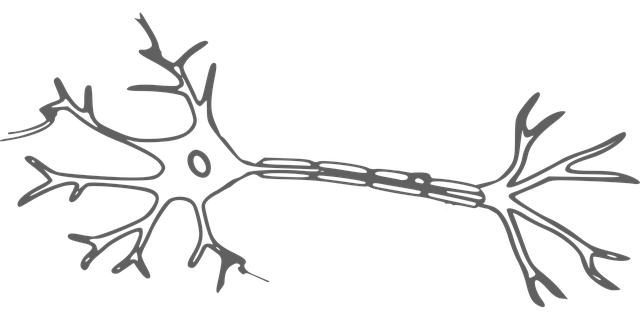
Pinched nerves after an auto accident are a common consequence, often resulting from sudden jolts and impacts during collisions. These injuries can range from mild discomfort to severe pain, impacting mobility and daily life. Understanding pinched nerves following an accident is crucial for effective management and recovery. When tissues, muscles, or nerves become compressed or entrapped due to trauma, it leads to a pinched nerve, causing symptoms like tingling, numbness, or sharp pains. In the context of vehicular accidents, this typically occurs in the neck, back, or arms.
Chiropractors play a vital role in treating pinched nerves after a crash, offering natural and non-invasive treatment options. They employ specialized techniques to assess and diagnose the extent of nerve compression. Treatment may include manual adjustments to restore joint function, soft tissue therapy to alleviate pressure on nerves, and specific exercises to strengthen supporting muscles. For instance, a study published in the Journal of Manipulative and Physiological Therapeutics found that chiropractic care significantly improved pain reduction and functional outcomes for individuals with whiplash-associated disorders, a common consequence of car accidents.
While over-the-counter medications can provide temporary relief, seeking professional help is essential for long-term recovery. Chiropractors tailor treatment plans to individual needs, ensuring comprehensive care. They also educate patients on injury prevention and postural adjustments to reduce the likelihood of future pinched nerve incidents. Regular check-ups with a chiropractor can be beneficial, especially for those with recurring symptoms or a history of previous accidents, as it enables early detection and intervention.
Evaluating and Diagnosing the Condition Naturally

After an auto accident, many individuals experience pain and discomfort due to pinched nerves—a common consequence of impact-related injuries. Evaluating and diagnosing these conditions naturally is a preferred approach for some, as it avoids the use of invasive procedures or strong medications. Chiropractors are often at the forefront of this natural treatment method, focusing on addressing structural misalignments that may pinch nerves. These professionals employ various techniques such as manual adjustments, soft-tissue therapy, and exercises to alleviate pressure on affected nerves.
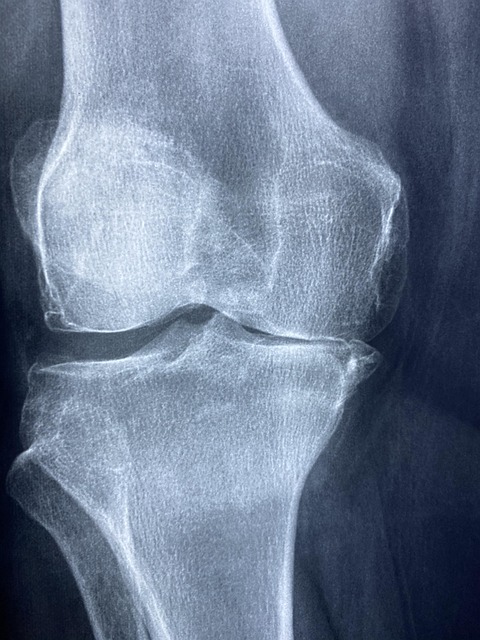
The initial step in seeking pinched nerve relief involves a comprehensive consultation with a chiropractor. During this session, the chiropractor will conduct a thorough examination, including a detailed medical history review and physical manipulation tests to pinpoint the source of pain. They may also utilize diagnostic tools like X-rays or MRI scans, although these are not always necessary for natural treatment. Once diagnosed, a tailored treatment plan is devised, focusing on reducing inflammation, improving nerve function, and correcting spinal misalignments.
For instance, a study published in The Journal of Chiropractic Medicine (2018) highlighted the effectiveness of chiropractic care in treating pinched nerves post-trauma. Participants experiencing pain due to herniated discs or nerve compression showed significant improvements after a series of adjustments and therapeutic interventions. The natural approach not only provided immediate relief but also fostered long-term recovery, reducing the need for surgical intervention. Chiropractors often emphasize patient education, encouraging individuals to adopt ergonomic habits and specific exercises to prevent future pinched nerve incidents.
Effective Treatment for Pinched Nerves: Chiropractor's Role

Pinched nerves following an auto accident can cause significant discomfort and disability. Effective treatment for pinched nerves after a crash is crucial for optimizing recovery and restoring mobility. Chiropractors play a vital role in managing these conditions, offering natural and non-invasive approaches to alleviate pain and improve nerve function.
Chiropractic care focuses on the manipulation of the spine and joint structures to reduce pressure on affected nerves. Chiropractors utilize various techniques, such as spinal adjustments, soft tissue therapy, and specific exercise protocols, tailored to the individual patient’s needs. For instance, a study published in the Journal of Manipulative and Physiological Therapeutics demonstrated significant improvements in pain reduction and nerve function among patients with pinched nerves who underwent chiropractic treatment compared to those receiving traditional care. This evidence underscores the effectiveness of chiropractors in managing post-accident injuries.
The chiropractor’s role extends beyond adjustments. They educate patients on posture, ergonomic principles, and self-care strategies to prevent future nerve compression. Incorporating these practices into daily routines can significantly enhance recovery and reduce the risk of re-injury. For example, maintaining proper sitting postures at work and ensuring adequate stretching breaks can go a long way in preventing pinched nerves from recurring after an auto accident. Chiropractors also prescribe specific exercises targeted at strengthening spinal muscles and promoting better alignment, fostering a more robust framework to support the body.
Understanding pinched nerves after an auto accident is crucial for effective treatment and recovery. The article has outlined key insights on evaluating and diagnosing this condition naturally, highlighting the importance of seeking professional help from a chiropractor. It has been established that chiropractic care offers a natural treatment for pinched nerves after a crash, providing relief and promoting healing. By combining manual adjustments, targeted exercises, and patient education, chiropractors can significantly alleviate pain and improve mobility. This comprehensive approach not only addresses the immediate symptoms but also focuses on long-term wellness, ensuring patients receive the best possible care for their post-accident conditions.